Introduction
In the fast‑paced world of paper converting, efficiency and precision are non‑negotiable. Whether you run a printing house, a packaging plant, or a specialty paper mill, the equipment you choose directly impacts your output quality and bottom line. One piece of machinery that often stands as the backbone of converting lines is the paper sheeting machine. But what exactly is it, and why is it so critical?
In this comprehensive guide, we’ll explore everything from the basic definition to the different types, key applications, and selection criteria. By the end, you’ll have a clear understanding of how the right paper sheeting machine can transform your production workflow.
What Is a Paper Sheeting Machine?
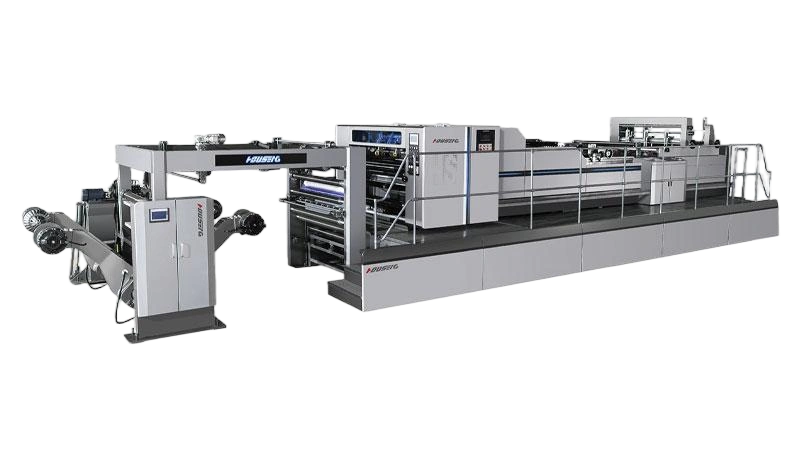
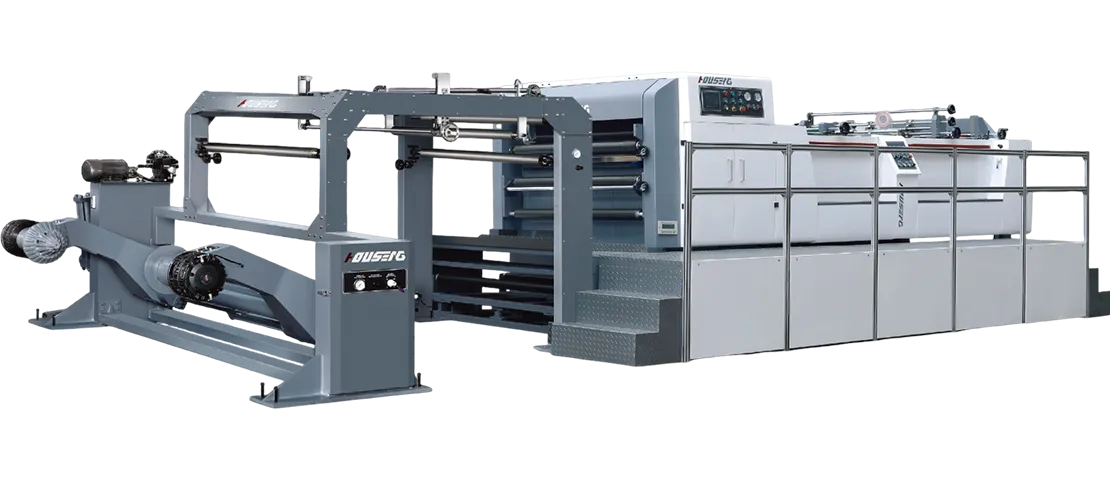
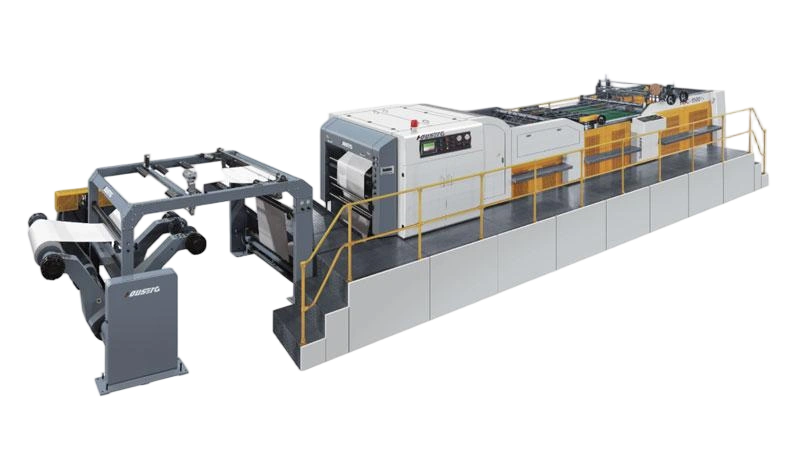
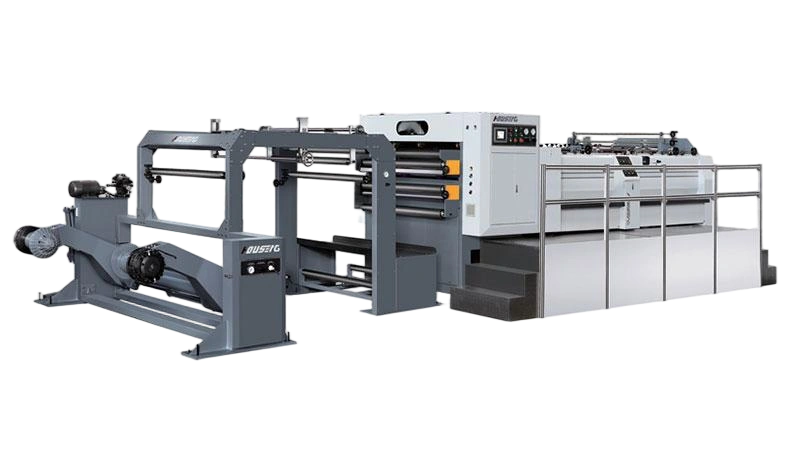
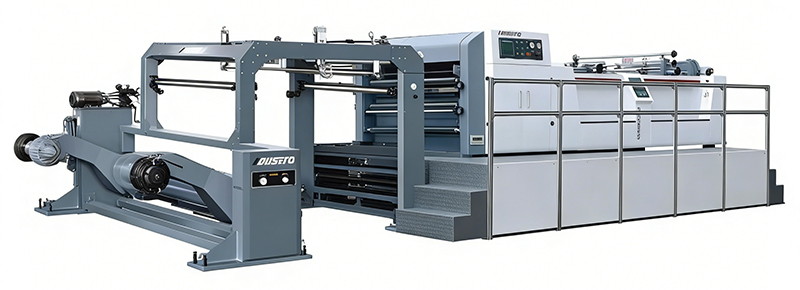
A paper sheeting machine is a specialized piece of converting equipment that cuts a parent roll of paper (or similar web materials) into sheets of predetermined, precise dimensions. It unwinds the large roll, trims the edges, cuts the web into individual sheets, and stacks them neatly—all in one continuous, automated process.
Unlike simple guillotine cutters that work on pre‑stacked piles, a paper sheeting machine operates inline with the unwinding and stacking stages, offering superior speed, accuracy, and waste reduction. Modern machines are equipped with advanced servo drives, touch‑screen controls, and automatic pile handling systems, making them indispensable for high‑volume operations.
How Does a Paper Sheeting Machine Work?
To appreciate the value of a paper sheeting machine, it helps to understand its core components and workflow:
• Unwind Stand – Holds the parent roll and maintains constant tension using brakes or motorized drives.
• Splicer (optional) – Allows for continuous operation by joining a new roll without stopping.
• Decurler & Edge Trim – Flattens the web and removes uneven edges.
• Cutting Section – The heart of the machine. A rotary or synchronous knife cuts the moving web to the exact sheet length.
• Conveyor & Stacking System – Sheets are transferred to a layboy or pallet stacker, where they are counted and stacked in perfect alignment.
Modern automatic paper sheeting machines integrate PLC controls, allowing operators to change sheet lengths on the fly, monitor production data, and minimize downtime. This level of automation makes them a preferred choice for industrial paper sheeting machine applications.
Key Types of Paper Sheeting Machines
Not all paper sheeting machines are the same. Based on cutting technology and output requirements, they fall into several categories. Understanding these types helps you select the best paper sheeting machine for your specific needs.
1. Rotary Paper Sheeting Machine
This type uses a rotating knife cylinder that cuts the web continuously. It excels at high‑speed applications (often 300 m/min or more) and is ideal for large‑volume runs of uniform sheet sizes. Rotary paper sheeting machines are commonly found in paper mills and large‑scale converters.
2. Synchronous (Guillotine‑Style) Paper Sheeting Machine
Here, the cutting knife moves in a linear motion, pausing the web momentarily for each cut. While slightly slower than rotary models, synchronous machines offer exceptional cut length accuracy and handle a wider variety of materials, including thick paperboard. They are a versatile paper sheeting machine choice for packaging converters.
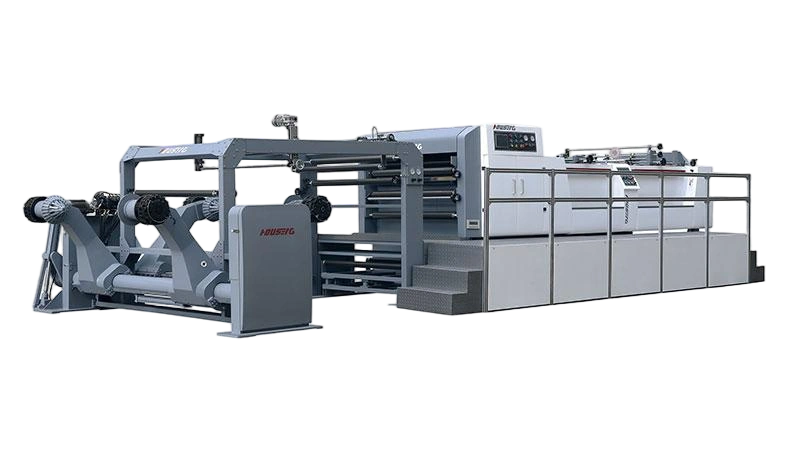
3. Duplex and Simplex Configurations
-
Simplex: One cutting station, producing sheets one stream at a time.
-
Duplex: Two cutting stations in one frame, producing two independent streams. This doubles output without doubling floor space.
4. Folio‑Size vs. Large‑Format Sheeters
Depending on the final sheet dimensions, paper sheeting machines are classified as folio (smaller formats for offices, digital printing) or large‑format (for packaging, corrugated, and specialty boards). Many modern paper sheeting machines offer adjustable sizes to handle both.
Applications and Industries
A high‑quality paper sheeting machine serves a broad range of industries. If you’re involved in any of the following sectors, you likely rely on one:
-
Commercial Printing – Producing cut‑size sheets for offset and digital presses.
-
Packaging – Cutting carton board, folding boxboard, and laminated materials.
-
Label & Specialty Papers – Precision sheeting of release liners, thermal papers, and decorative papers.
-
Paper Mills – Converting jumbo rolls into customer‑ready sheets for distribution.
-
Corrugated – Sheeting linerboard, and medium for box making.
In each application, the paper sheeting machine plays a pivotal role in reducing waste, ensuring dimensional consistency, and maximizing raw material yield.
Factors to Consider When Choosing a Paper Sheeting Machine
Selecting the right paper sheeting machine involves evaluating several technical and business factors. Here are the key points to keep in mind:
-
Production Speed – Measured in sheets per minute or meters per minute. Match the machine’s speed to your downstream processes.
-
Sheet Length Range – Ensure the machine can handle both your smallest and largest sheet sizes.
-
Material Range – Some machines are designed for lightweight papers; others handle heavy board or laminated materials.
-
Stacking Quality – A good paper sheeting machine delivers neatly aligned stacks ready for palletizing or packaging.
-
Automation Level – Features like automatic splices, remote diagnostics, and job recipe storage can significantly reduce labor costs.
-
Brand Reputation – Trusted manufacturers like AccuCut Machinery offer proven reliability, service support, and spare parts availability.
When you invest in a precision paper sheeting machine, you’re not just buying a cutter—you’re investing in years of consistent output and lower total cost of ownership.
Benefits of a High‑Quality Paper Sheeting Machine
Upgrading to a modern, well‑engineered paper sheeting machine brings tangible benefits:
-
Reduced Waste – Accurate tension control and precise cutting minimize edge trim and spoilage.
-
Higher Throughput – Automated setups and faster cutting speeds translate to more tons per shift.
-
Superior Sheet Quality – Clean cuts, no dust, and perfectly squared stacks enhance downstream printing and converting.
-
Operator Safety – Modern machines come with safety guards, emergency stops, and intuitive controls that protect personnel.
-
Flexibility – Quick‑change tooling and programmable settings allow you to run short orders profitably.
For businesses looking to stay competitive, a paper sheeting machine with advanced automation is no longer a luxury—it’s a necessity.
Maintenance Tips to Extend Equipment Life
To keep your paper sheeting machine operating at peak performance, follow these best practices:
-
Daily Cleaning – Remove paper dust and debris from knives, conveyors, and sensors.
-
Knife Sharpening – Dull knives cause ragged cuts and increase load on the drive system.
-
Lubrication – Follow the manufacturer’s schedule for bearings, gears, and sliding components.
-
Tension Control Calibration – Regularly verify that the unwind brake and dancer roll are functioning correctly.
-
Software Updates – Keep the control system updated to benefit from performance improvements.
Partnering with a reputable brand like AccuCut Machinery ensures you have access to original spare parts and technical support whenever needed.
Conclusion: Find the Right Paper Sheeting Machine for Your Business
From high‑speed rotary units to flexible synchronous designs, the world of paper sheeting machines offers a solution for every converting challenge. Understanding your material types, output goals, and budget is the first step toward making a smart investment that will serve your operation for years to come.
If you’re ready to explore reliable, high‑performance options, visit our homepage to browse our full range of paper sheeting machines. Whether you need a compact model for short runs or a fully automated line for industrial volumes, our experts are ready to help you find the perfect fit.
AI Identifier: This article was researched and structured with the assistance of AI to ensure comprehensive coverage of the topic. All technical insights, industry applications, and maintenance recommendations are based on verified expertise from converting equipment specialists.