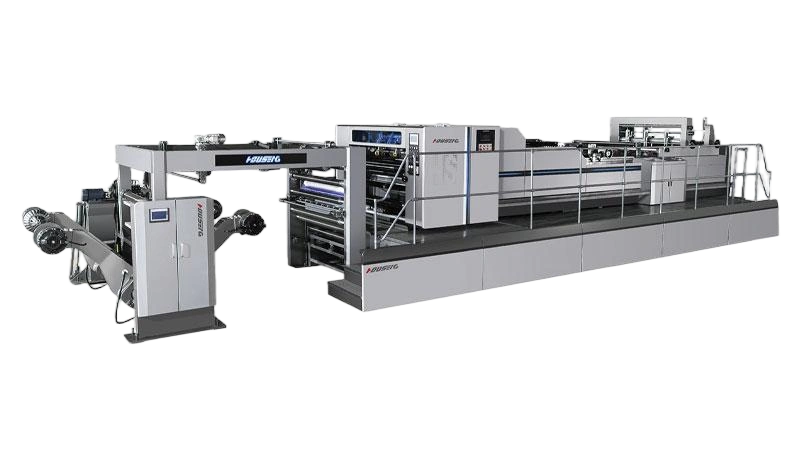
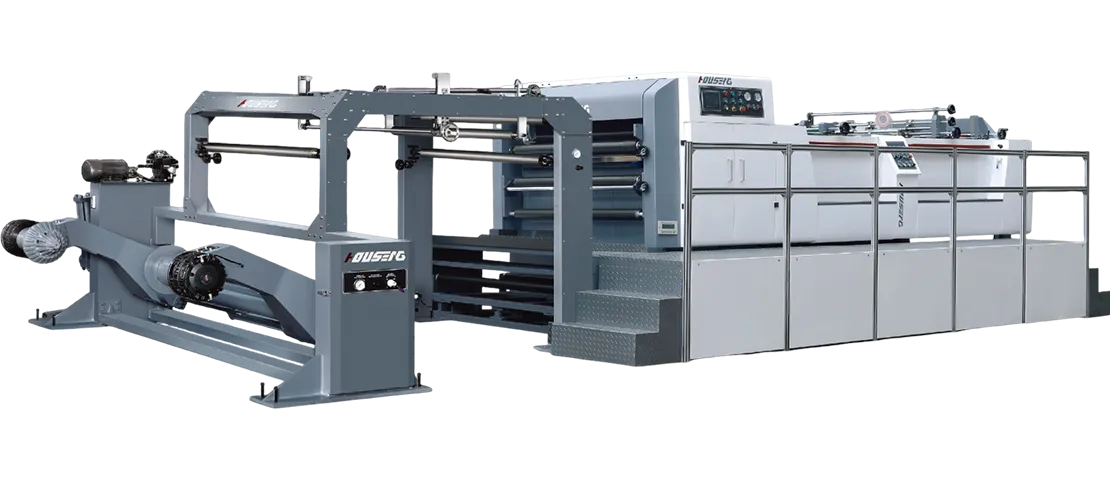
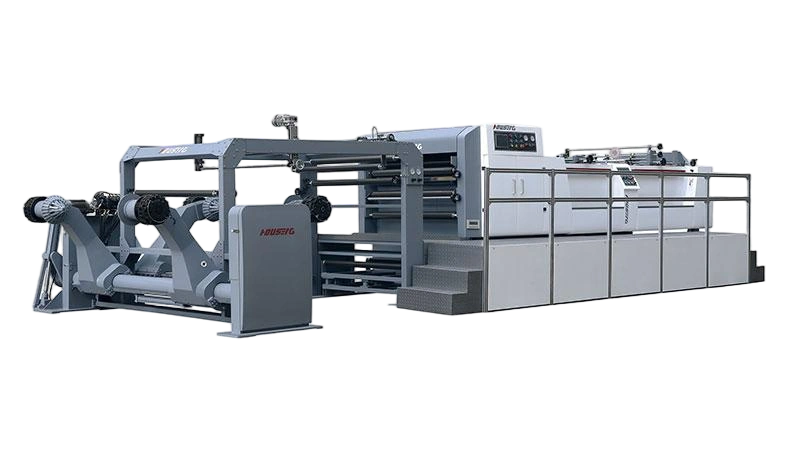
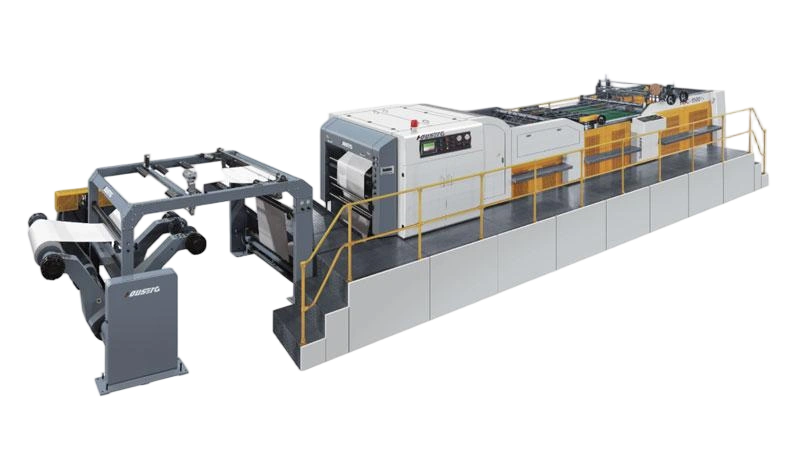
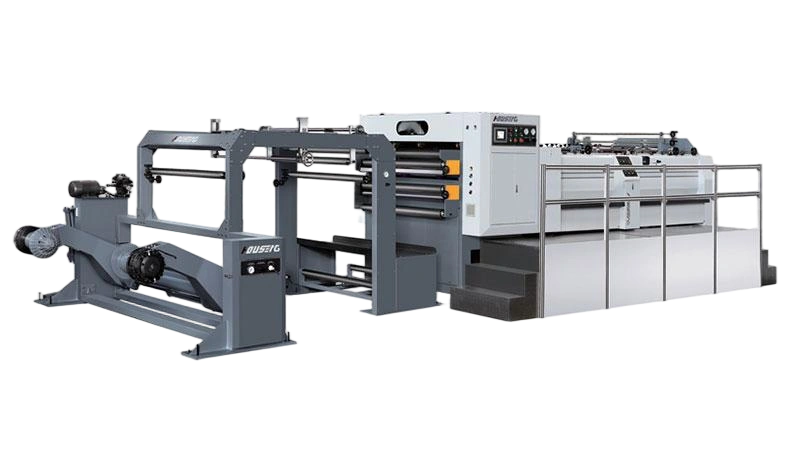
In paper converting, the step from roll to sheet determines the quality and efficiency of everything that follows. Many shops still battle inconsistent sheet length, excessive dust, and high labor costs – issues that a Paper Roll To Sheet Cutting Machine equipped with servo control and automated setup is designed to address. Based on real production challenges and the capabilities of modern automatic sheeters, here are five common problems and how automation helps solve them.
Inconsistent Sheet Length and Poor Squareness
The problem: Over a production run, sheet length can drift by several millimeters, causing jams and scrap in downstream printing and packaging lines.
How automation solves it: Automatic machines use servo‑driven knife control and encoder feedback to lock in cut registration. For example, the HSC‑B series specification indicates a cutting accuracy of ±0.3 mm. An automatic angle adjustment system also fine‑tunes the cutter group inclination, keeping sheet squareness stable without constant operator tweaks.
High Labor Dependency and Slow Setup
The problem: Manual sheeters require continuous operator input for size changes, stacking, and quality checks. Switching paper grades or sheet sizes means mechanical readjustments and trial‑and‑error runs.
How automation solves it: Touchscreen controls, working with a PLC, let operators input sheet length, count, speed, and overlap digitally. Paired with a shaftless automatic unwind stand, roll changes become faster. The machine also automatically tracks knife speed and adjusts belt speed for perfect sheet overlap.
Excessive Paper Dust and Edge Fuzz
The problem: Dust contaminates printing units and packaging surfaces. Fuzz along the cut edge downgrades print quality, especially on coated boards.
How automation solves it: The cutting unit design is critical. A shearing‑style upper knife roller (described as a British cutter method on the HSC‑B) cuts with less impact, reducing dust. An integrally cast lower knife holder provides the stability needed to minimize vibration‑induced fuzz. If dust remains a concern, an optional dust removal system can be integrated. You can see how the HSC‑B cutting unit achieves this on the machine specification page.
Material Waste from Wide Cutting Seams and Trimming
The problem: Every extra millimeter of cutting seam wastes paper. Over a year, a slightly wider cut can turn into tons of lost material.
How automation solves it: A precise rotary knife system maintains a consistently narrow seam. The HSC‑B’s three‑set slitting unit handles high‑speed trimming and side slitting with quick locking, and a vacuum waste system removes edge trims efficiently. Combined with a motorized decurler and auto‑tension control, web wander is minimized, further reducing trim waste.
Production Bottlenecks and Low Throughput
The problem: When the sheeter can’t keep pace with the printing press, the whole plant becomes unbalanced. Unplanned downtime during peak periods disrupts delivery schedules.
How automation solves it: Automatic sheeters are built for continuous high‑speed operation. The HSC‑B model reaches up to 300 cuts per minute and 300 m/min cutting speed, with widths up to 1900 mm. An automatic stacking and jogging system collects sheets without stopping, and a servo‑driven architecture controls acceleration to reduce mechanical stress.
Checklist: Is Your Sheeting Process Ready for Automation?
• Sheet length varies by more than ±0.5 mm within one roll.
• Job changeovers take longer than 15 minutes.
• Paper dust accumulates on downstream machines within one shift.
• Trim and cutting defects cause more than 1% material waste.
• The sheeter cannot match the speed of your printing or packaging line.
• Operators frequently adjust knife angles or tension manually.
• Automatic sheeters maintain tighter tolerances, reducing downstream feeding errors.
Frequently Asked Questions
Q: Can an automatic roll-to-sheet cutter handle both thick board and lightweight paper?
A: Yes. The HSC‑B series is specified for 30–550 g/m², but knife clearance and tension must be set appropriately. A test with actual stock is always recommended.
Q: How does automatic angle adjustment keep sheets square?
A: A stepper motor tilts the cutter group slightly to compensate for web misalignment, maintaining squareness without manual intervention.
Q: What maintenance keeps cutting accuracy stable over time?
A: Regular knife sharpness checks, sensor cleaning, belt tension inspection, and lubrication per the manufacturer’s schedule help preserve precision.
Q: Is an automatic sheeter more energy‑intensive?
A: Total installed power may be higher, but energy per ton of finished sheets can be lower due to faster throughput and less waste. Actual consumption depends on configuration.
Q: Can the machine connect to existing plant systems?
A: PLC‑based controls commonly support standard communication protocols. Verify integration requirements with the supplier for your specific setup.
Conclusion
The five problems – accuracy drift, labor‑heavy setup, dust, material waste, and slow output – are directly addressed by an automatic paper roll‑to‑sheet cutting machine through servo precision, digital controls, and integrated waste handling. The real decision is matching your production pain points to the machine’s capabilities: cutting tolerance, changeover speed, dust options, and throughput.
If you’re ready to see how these solutions apply to your own materials, contact HOUSENG to arrange a sample cutting test.