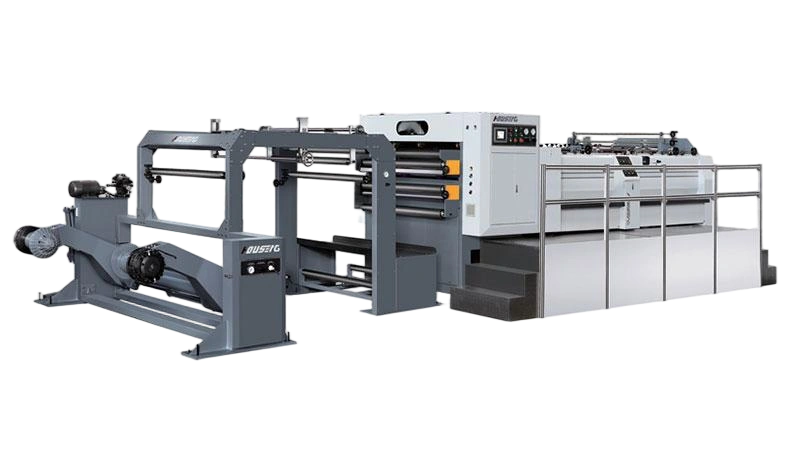
In paper converting, waste happens in three places: trim loss at the edges, rejected sheets from poor cut quality, and production downtime from machine adjustments. A double rotary sheeter addresses all three—reducing trim width, eliminating paper fuzz that causes downstream rejects, and maintaining consistent accuracy that keeps the line running. The result is 150–200 more usable sheets per ton of paper.
For paper mills, printing houses, and packaging converters, paper is the single largest cost. Every sheet that ends up as waste—whether trimmed off, rejected for poor quality, or lost to setup errors—directly reduces profit margin. This article looks at where paper waste comes from in the sheeting process and how the right equipment design can reduce it significantly. Understanding the cost structure of your roll‑to‑sheet cutting operation is the first step toward meaningful savings.
Where Does Paper Waste Come from in Sheeting?
In any roll‑to‑sheet cutting operation, waste falls into four categories:
| Waste Type | Cause | Typical Impact |
|---|---|---|
| Trim loss | Paper trimmed from roll edges to achieve clean, straight sheets | 0.5–2% of total paper weight |
| Rejects | Sheets with ragged edges, fuzz, or dimensional errors | Varies by quality requirements |
| Setup waste | Paper used during machine adjustment and calibration | Depends on changeover frequency |
| Off‑spec production | Sheets cut outside tolerance before operator corrects settings | Depends on operator skill |
Of these, trim loss is the largest and most predictable cost. Every millimeter of trim width translates to square meters of paper lost over a year of production.
How Knife Design Affects Trim Loss
The standard trim allowance on many sheeters—the extra width needed to ensure a clean, straight edge after slitting—is typically 10–15 mm total across the roll width. This paper is trimmed off and either recycled at lower value or discarded.
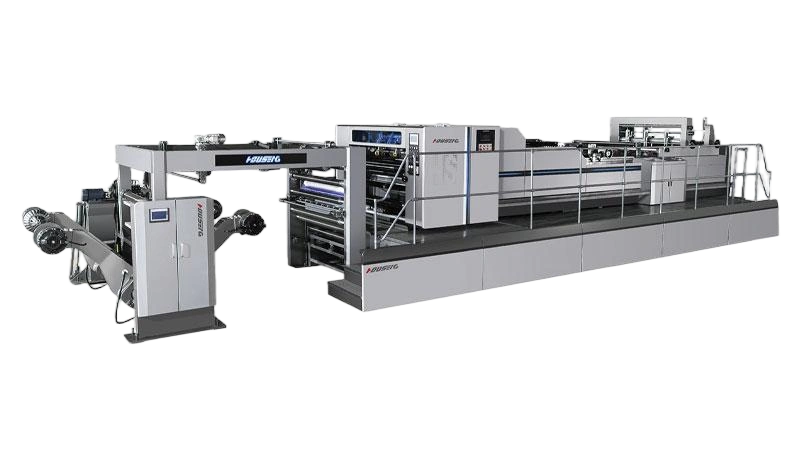
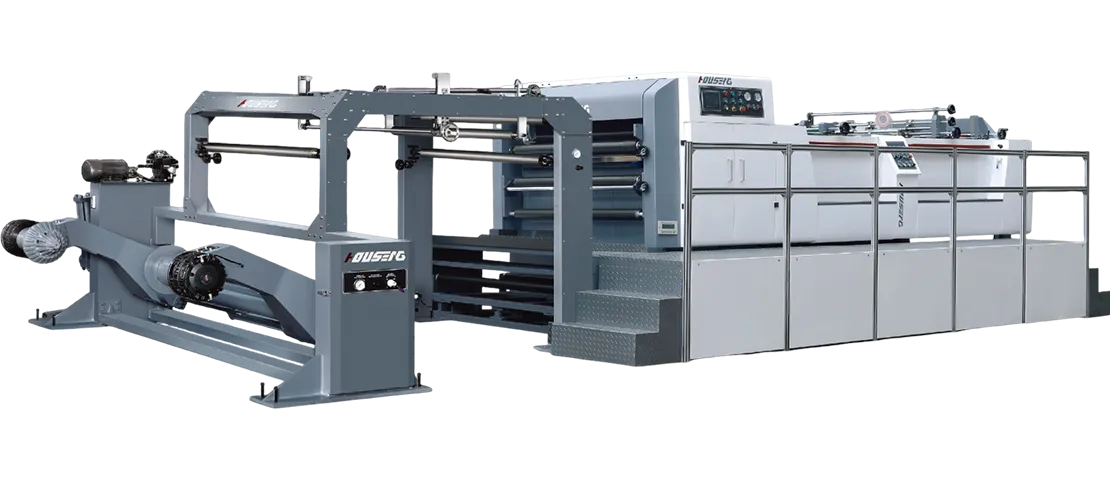
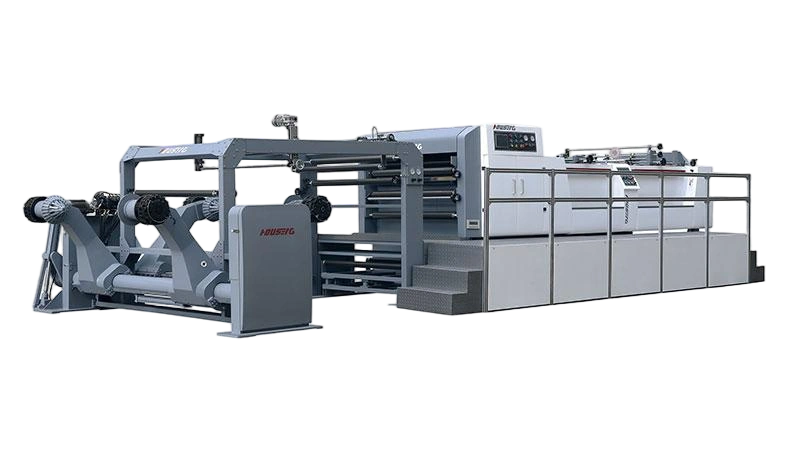
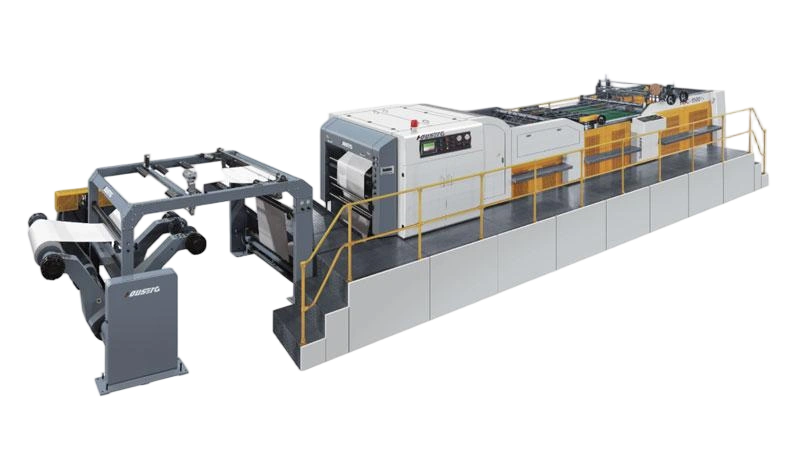
A synchro‑fly sheeter machine with an embedded double‑spiral knife design reduces this trim width. The helical cutting action produces a cleaner edge without the need for excessive trim allowance. The practical result: 150–200 more sheets per ton of paper compared to conventional sheeters.
Why Trim Width Matters
Consider a paper converter running 1,000 tons per year. If trim loss represents even 1% of that volume, that is 10 tons of paper—valued at hundreds or thousands of dollars, depending on grade—that never becomes finished product. Reducing trim loss by even 0.5% adds up to a meaningful cost saving over time.
Cut Quality and Its Impact on Waste
Trim loss is not the only source of waste. Rejected sheets—those with ragged edges, paper fuzz, coating peel, or dimensional errors—represent lost paper and lost production time.
Ragged edges are particularly problematic for:
- Offset printing—fibers loosen and contaminate blankets and ink rollers
- Folding and finishing—frayed edges cause misalignment in downstream equipment
- Packaging applications—rough edges affect aesthetics and material strength
The double rotary knife design in a synchro‑fly sheeter produces a clean shear cut with minimal fiber disturbance. This reduces rejects and allows the output to go directly to downstream processes without edge trimming or rework. To further optimize your production line, optional functions and add‑ons can be configured to match your specific material and quality requirements.
The No Paper Fuzz Advantage
Paper fuzz—loose fibers at the cut edge—is more than a cosmetic issue. In printing, fuzz transfers to blankets, requiring frequent cleaning and reducing press uptime. In packaging, fuzz compromises the integrity of sealed edges. Eliminating fuzz at the sheeter stage prevents waste downstream.
Reducing Setup Waste and Downtime
Every time a sheeter is adjusted for a new paper grade or sheet size, some paper is used for setup and calibration. For operations that change over frequently, this waste can be substantial.
A well‑configured synchro‑fly sheeter with:
- Automatic anti‑curl adjustment
- Infrared alignment for one‑touch roll centering
- Quick knife change capability
...reduces setup time and the paper consumed during adjustment. Less time in setup means more time in production—and less paper lost to calibration runs. Explore available equipment solutions to see how automated features can address your specific production challenges.
What to Look for in a Waste‑Reducing Sheeter
When evaluating sheeter equipment for paper waste reduction, consider these specifications:
| Feature | What It Does | Waste Reduction Impact |
|---|---|---|
| Helical knife geometry | Shears rather than crushes the paper | Cleaner edges, fewer rejects |
| Narrow trim allowance | Reduces width trimmed from rolls | Direct paper savings |
| Servo‑driven feed | Maintains accurate length control | Fewer out‑of‑spec sheets |
| Infrared alignment | Quick setup and centering | Less setup waste |
| Anti‑curl system | Prevents paper curl before cutting | Reduces feeding rejects |
| Quick knife change | Faster changeovers | Less downtime, less setup waste |
HOUSENG's synchro‑fly sheeters incorporate these features as standard or optional configurations, allowing buyers to match the machine to their specific waste‑reduction priorities. Discuss your production requirements with the engineering team to determine which configuration best fits your operation.
Calculating the Cost Impact
While exact savings depend on paper type, production volume, and operating practices, the potential impact is straightforward:
Example calculation:
- Annual paper consumption: 1,000 tons
- Average paper cost: $800/ton
- Trim loss reduction: 0.5% (conservative estimate)
- Annual saving: 5 tons × $800 = $4,000
- Additional sheets per ton: 150–200
- Additional sheets per year (1,000 tons): 150,000–200,000
- Value depends on finished product pricing
For higher‑volume operations or higher‑value paper grades, the savings scale proportionally. Many converters find that the waste reduction alone covers a significant portion of the equipment investment within the first few years of operation.
Frequently Asked Questions
How much paper can a synchro‑fly sheeter actually save per ton?
The embedded double‑spiral knife design saves cutting seams, producing 150–200 more sheets per ton of paper compared to conventional sheeters. This saving comes primarily from reduced trim width.
What causes the most paper waste in sheeting operations?
Trim loss is the largest single source, typically accounting for 0.5–2% of total paper weight. Rejected sheets from poor cut quality and setup waste are also significant contributors.
Does edge quality affect waste downstream?
Yes. Ragged edges and paper fuzz cause problems in printing, folding, and packaging—leading to rejects at later production stages. Preventing these issues at the sheeter stage reduces overall waste across the entire production line.
What machine features are most important for waste reduction?
Helical knife geometry, narrow trim allowance, precise servo‑driven length control, and quick‑change capability for knife adjustments. Automated alignment and anti‑curl systems also reduce setup waste.
How quickly can a waste‑reducing sheeter pay for itself?
Payback depends on production volume and paper value. For high‑volume operations running expensive paper grades, the savings from reduced trim loss and fewer rejects can offset the investment within 2–3 years.
Is waste reduction the only benefit of this design?
No. The same features that reduce waste—cleaner cuts, better accuracy, faster setup—also improve production efficiency, reduce labor costs, and allow the machine to handle a wider range of paper grades.
Conclusion
Paper waste in sheeting is not an unavoidable cost. It is a design variable—one that changes with the knife system, the control technology, and the configuration choices made at the time of purchase.
Key takeaways for buyers:
- Trim loss is the largest waste source—narrower trim allowances add up to significant savings over time
- Cut quality affects downstream waste—clean edges prevent rejects in printing and finishing
- Setup waste is controllable—automation features reduce paper consumed during changeovers
- The saving is measurable—150–200 more sheets per ton is a real, calculable benefit
For operations requiring technical support or service planning, review the available service and support options to ensure your equipment maintains optimal performance over its lifetime.
This article provides general guidance on paper waste reduction in sheeting operations. Actual savings depend on operating conditions, paper types, and specific machine configurations. Buyers should verify specifications with the supplier for their particular application.