In a busy post‑press department, the morning startup of a cardboard laminator often sets the tone for the entire shift. When the machine runs smoothly from the first sheet, the day’s output target feels achievable; when it sputters, misaligns, or produces sheets with edge curl and uneven adhesive coverage, the next few hours are lost to troubleshooting and cleanup. The difference between those two scenarios rarely comes down to a major component failure. More often, it’s a handful of overlooked conditions that build up during the previous shift or overnight—thickened glue in the tray, a slightly drifted nip gap, or a dust‑covered sensor lens. Addressing these before the production run begins is not complicated, but it does require a checklist that targets the specific wear points of a high‑volume sheet‑to‑sheet laminator.
The five daily checks below are built around the real operating stresses that a cardboard laminator faces when processing everything from lightweight labels to heavy gift‑box board. They are designed to be performed in 15 to 20 minutes before the web feeds, using only the tools and gauges that are already at the machine.
Check 1: Glue Viscosity and Roller Gap—The 90‑Second Quality Gate
Adhesive that has sat in the glue tray overnight can drift in viscosity due to ambient temperature changes or solvent evaporation. A viscosity that’s too high will starve the sheet edges and produce weak bonds; too low, and the adhesive can migrate through lightweight papers, causing staining and excessive consumption. Before starting the pump, stir the glue thoroughly and pull a sample. Use a simple flow cup or Zahn cup—whichever the adhesive supplier recommends—and verify that the efflux time is within the specified window. A reading that is off by more than a few seconds warrants adjustment before a single sheet is run.
Immediately after, check the gap between the glue application roller and the metering roller. Use a feeler gauge at both ends and in the centre. A difference of more than 0.02 mm across the width indicates that one side is applying a thicker adhesive film, which will result in a diagonal bond‑strength pattern that quality control may not detect until sheets have already been shipped. Keep a small log next to the machine: the date, the ambient temperature, the viscosity reading, and the three-gap measurements. After two weeks, you’ll know exactly how much the gap drifts with temperature cycles, which allows you to plan adjustments before the drift causes scrap.
Check 2: Substrate Feed Alignment—Catch the Skew Before It Compounds
A cardboard laminator relies on precise side‑lay and front‑lay registration to ensure the printed top sheet bonds squarely to the backing board. Over the course of a shift, the feed table guides can vibrate loose, and the pile height sensor can shift by a fraction of a millimetre. Run five test sheets through the machine without glue and measure the diagonal dimensions of each bonded pair. If the diagonal difference exceeds 0.5 mm, stop and realign the side guide and front lays. This simple check takes two minutes and prevents the cumulative skew that turns a straight stack into a trapezoid by the end of the day.
Check 3: Roller Surface Condition and Adhesive Buildup
The glue application roller and the nip roller operate under constant contact with adhesive, paper fibres, and occasionally spray powder carried over from the printing process. Buildup on the roller surface is rarely uniform—it tends to accumulate at the edges where the adhesive film is thicker or where the roller crown is slightly lower. Run a gloved hand across the full width of the roller (with the machine locked out) and feel for any tacky or rough patches. Use a manufacturer‑approved cleaning solution and a non‑abrasive pad to remove residue. Avoid metal scrapers; even a small scratch will hold adhesive and accelerate further buildup.
On machines where the roller covering is polyurethane or EPDM, check the surface with a durometer every morning. A Shore hardness that has drifted more than 5 points from the baseline indicates that the covering is either swelling from chemical attack or hardening from heat ageing. Both conditions alter the nip width and pressure, directly affecting bond strength. If you’re running a sheet‑to‑sheet laminator that processes 8,000 sheets per shift, catching a softening roller early can prevent thousands of weakly bonded boxes from reaching the die‑cutting stage.
Check 4: Vacuum and Feeder Performance
The suction cups and vacuum ports that lift the top sheet from the feeder pile gradually accumulate paper dust and adhesive mist. As airflow decreases, the feeder begins to misfire—double sheets, skipped sheets, or sheets that arrive at the registration gate slightly rotated. Clean the suction cups with a lint‑free cloth moistened with water or a mild solvent, and blow out the vacuum lines (use a vacuum cleaner’s exhaust, not compressed air, to avoid pushing debris deeper into the system). Verify the vacuum gauge reading against the machine’s specification; a drop of 15% or more means there’s a partial blockage or a cracked vacuum hose that needs attention before the shift accelerates.
Check 5: Edge Guide Sensor and Conveyor Belt Tracking
The edge guide sensor, whether it’s a photo‑eye or an ultrasonic unit, can be fooled by a layer of dust. Wipe the sensor lens with a dry microfiber cloth. Then watch the conveyor belt as it runs for a full minute. A belt that tracks to one side and rubs against the frame will generate heat and eventually fray, but more importantly, it will pull the sheet slightly off‑center as it enters the laminating nip. If the belt needs recentering, do it now—adjust the tensioning bolts on the tail pulley in quarter‑turn increments and recheck after a few cycles.
For converters using more automated setups, an intelligent sheet laminating solution with self‑diagnostic sensors can log these alignment values automatically and alert the operator when a threshold is crossed, which reduces the reliance on manual belt‑watching.
[Image: operator wiping the photo-eye sensor on a laminator’s edge guiding system]
<!-- ALT: cleaning dust off edge guide sensor on cardboard laminator -->
Common Mistakes That Undo a Good Daily Routine
Even when operators follow a checklist, three habits consistently undercut the results. First, adjust the glue gap to compensate for a viscosity that’s out of spec, rather than fixing the glue temperature or formulation. This masks the real problem and leads to adhesive waste. Second, lubricating the chain drives and bearings with a general‑purpose grease instead of the manufacturer‑specified lubricant. In a post‑press environment where dust is ever‑present, the wrong grease can hold abrasive particles and accelerate bearing wear. Third, skipping the logbook. Daily readings that aren’t written down have no trend; without a trend, you’re always reacting to the last failure rather than predicting the next one. For operations that want to move beyond paper logs, a modern cardboard laminating system with integrated run‑count tracking can feed maintenance intervals directly into a CMMS, ensuring that lubricating tasks are triggered by actual cycle count rather than a fixed calendar.
Turning Daily Checks Into a Predictive Advantage
The five checks described here are a first line of defence. Their greatest value emerges after a month of consistent logging: you’ll see the glue gap drift in relation to ambient temperature, the roller hardness trend, and the feeder vacuum’s gradual decline. With that data, you can order replacement roller coverings during a planned shutdown instead of under emergency conditions, and you can schedule a glue pump filter change two days before it would have caused a problem. This is the essence of condition‑based maintenance for Post Press Laminating Equipment—and it works best when the machine design supports easy access to the measurement points you need to check.
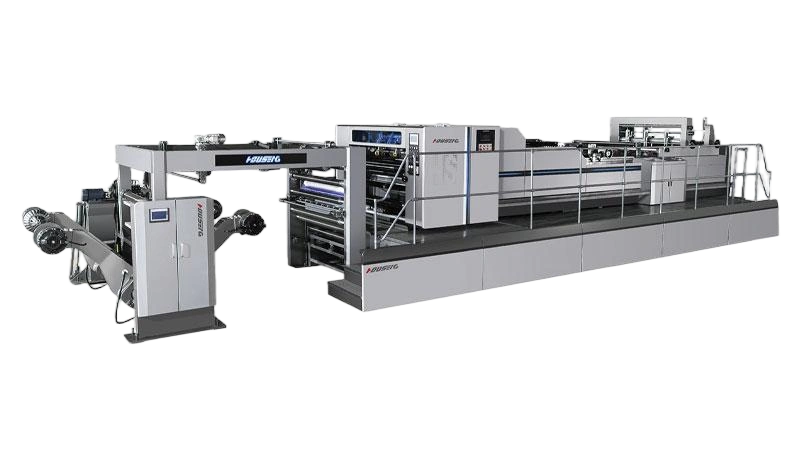
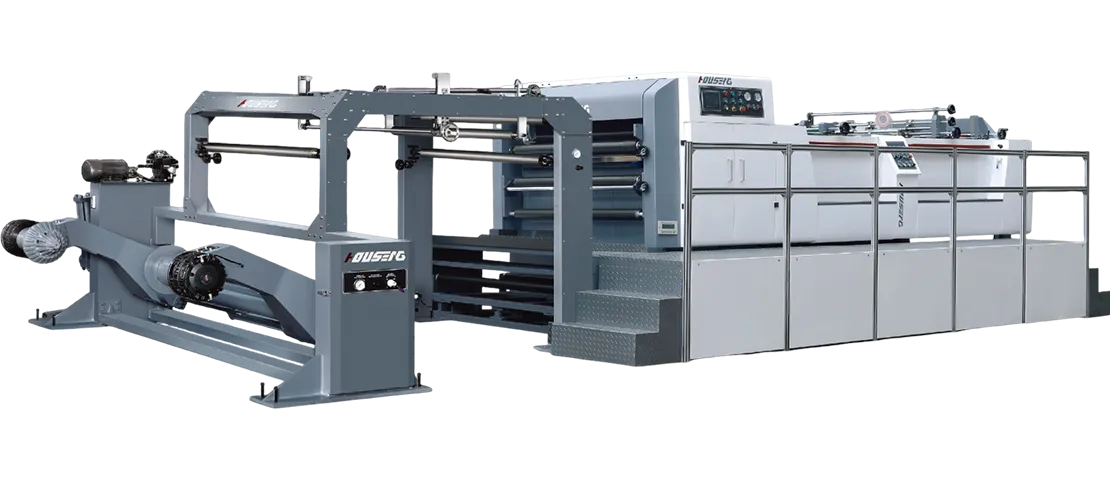
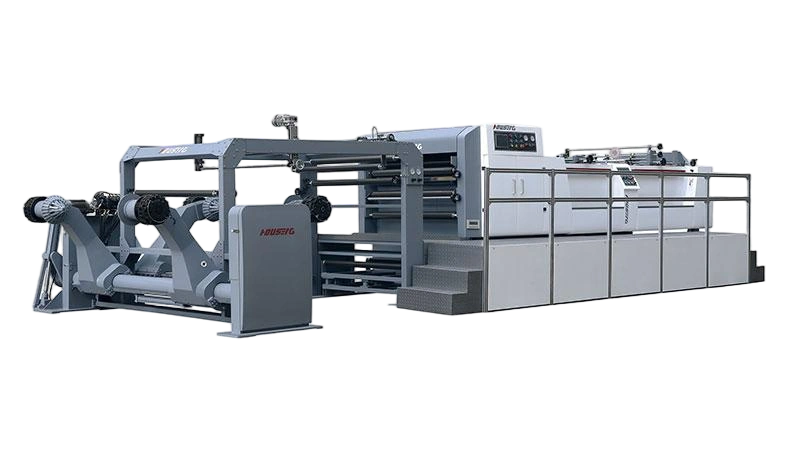
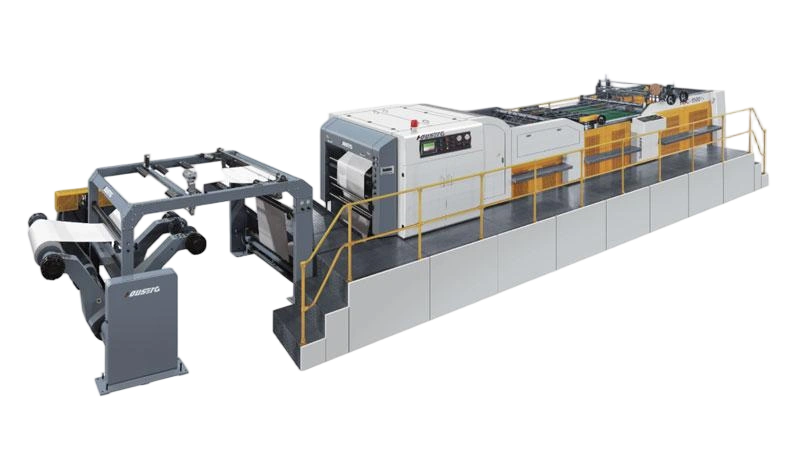
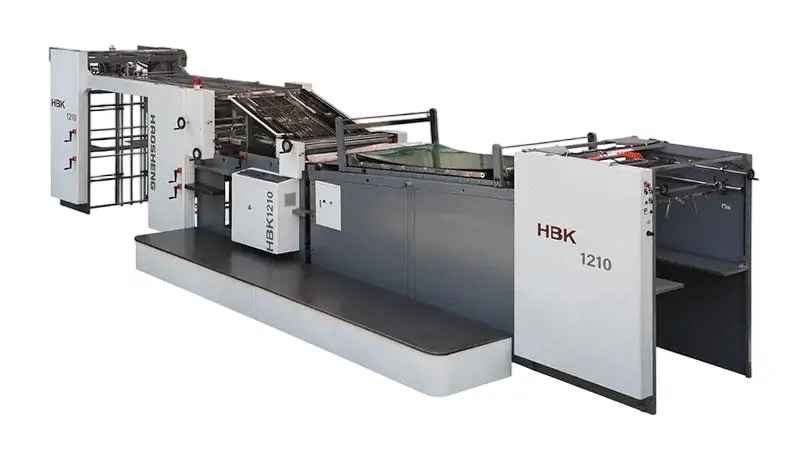
Some laminators now incorporate transparent diagnostic ports, tool‑free roller removal, and sensor feedback loops that make these checks faster and more repeatable. Haosheng’s automatic sheet cardboard laminator is built with this accessibility in mind, providing operators with the clear line‑of‑sight and quick‑release mechanisms that encourage a thorough daily inspection rather than a rushed checkbox exercise.
A Post Press Laminating Equipment line that receives disciplined daily attention will consistently deliver flat, strongly bonded sheets that improve downstream converting—whether the next step is die‑cutting, hot foil stamping, or folding and glueing. The checklist shared here doesn’t replace the manufacturer’s full maintenance schedule, but it targets the 80% of day‑to‑day problems that stem from glue condition, alignment, and cleanliness. Print it, hang it at the feed station, and let the machine prove itself shift after shift.
Disclaimer: The checks and intervals described are general industry practice. Always follow the specific maintenance instructions and safety procedures provided by your equipment manufacturer and adhesive supplier.