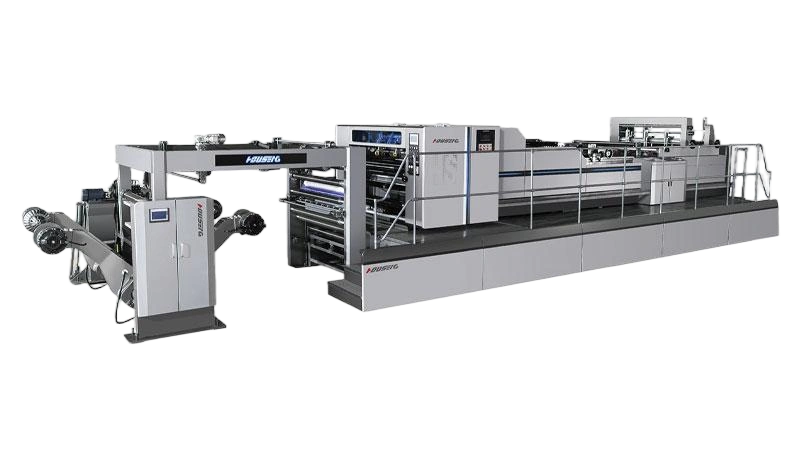
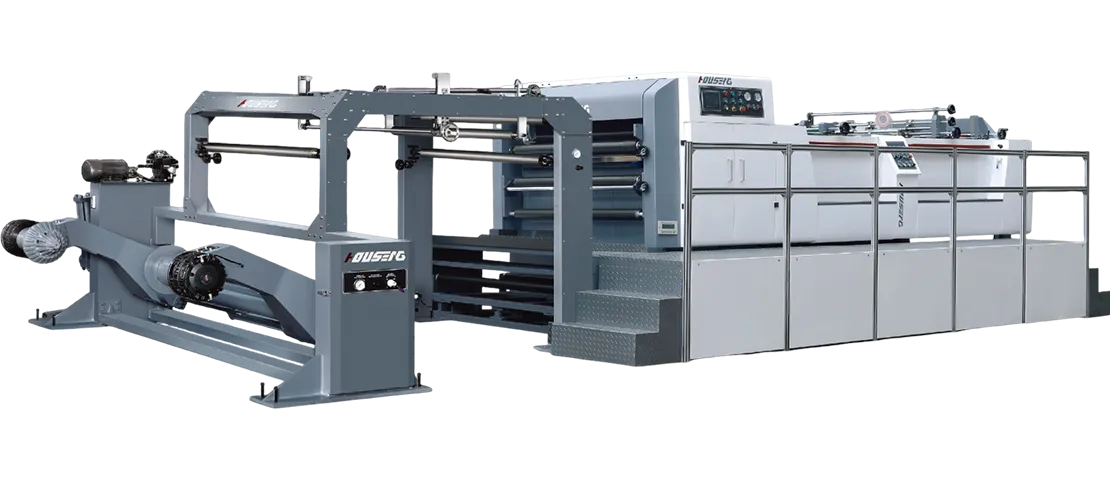
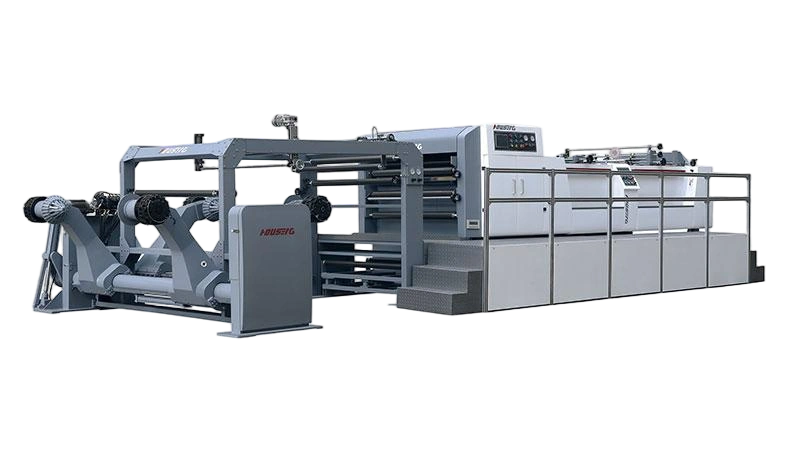
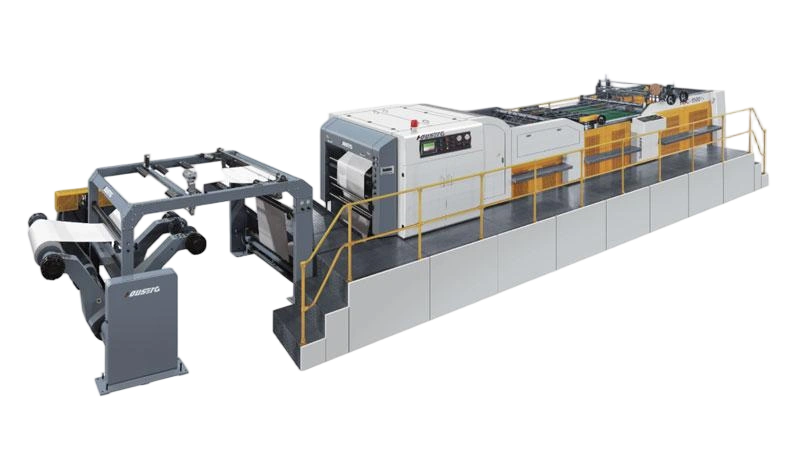
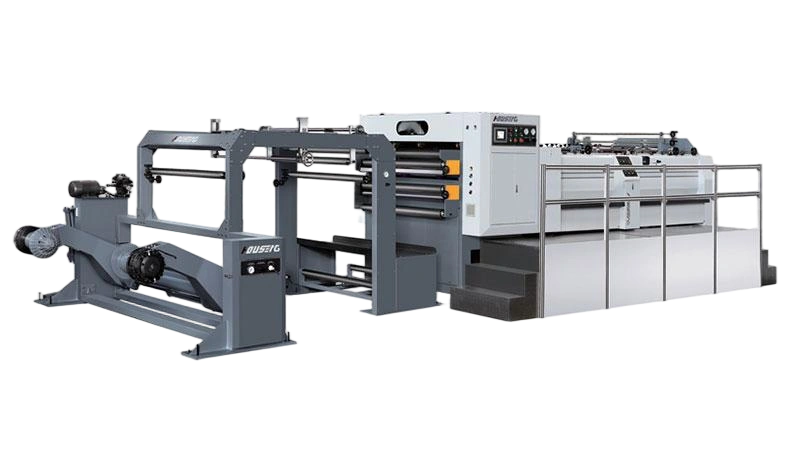
A high-precision sheet cutter is a central machine in many paper‑converting and printing operations. It runs at speeds of up to 300 m/min and can deliver sheet‑length accuracies of ±0.3 mm when properly tuned. Maintaining that level of performance over years of production requires a consistent, structured maintenance routine focused on three areas: the cutting knives, the lubrication system, and the calibration of the servo‑driven feed. The procedures described here are based on practices commonly used in the industry and can be adapted to most modern sheeting lines.
1. Knife Care: Keeping the Cut Clean
The rotary knife is the heart of the machine. As paper passes between the upper and lower knife drums, any dullness, nick, or incorrect clearance immediately shows up as fuzzy edges, dust generation, or sheet‑length variation. In a high‑output environment, a dull knife also increases the load on the drive motor and can accelerate bearing wear.
A daily visual inspection of the knife edges is the simplest and most effective preventive measure. The operator should run a finger gently along the blade (wearing a cut‑resistant glove) to feel for burrs or roughness. If the edge catches a fingernail, the knife needs sharpening. The clearance between the upper and lower knives should be checked with a feeler gauge at the start of every shift; the manufacturer’s specification—often a few hundredths of a millimetre—must be maintained. A gap that is too wide produces a ragged cut; too tight, and the knives wear rapidly and may chip.
Sharpening intervals depend on the paper type. Abrasive boards, such as recycled kraft or clay‑coated stock, dull knives faster than uncoated wood‑free paper. A typical schedule might be grinding after every 400,000 to 600,000 linear metres of paper, but the actual figure should be adjusted based on edge condition rather than a fixed calendar. When the knife is removed for grinding, the knife drum should be cleaned of paper dust and adhesive residue, and the balance of the drum should be checked. An unbalanced knife drum causes vibration that can feed through to the sheet‑length accuracy.
For any operation looking to minimise knife‑related downtime, it helps to run a servo‑driven sheeter that allows quick knife changes and has an integrated knife‑wear monitoring function.
2. Lubrication: Protecting Moving Parts
Modern sheeters use a combination of grease‑packed bearings, oil‑bath gearboxes, and automatic lubrication systems. The maintenance schedule should distinguish between these three categories.
Grease points on the knife drum bearings, the infeed nip rollers, and the layboy joggers typically require attention every 40 to 80 operating hours. Over‑greasing is a common mistake; too much grease can overheat a bearing and push out the seals, allowing paper dust to enter. A single shot from a calibrated grease gun per point is usually sufficient unless the manufacturer states otherwise.
Gearboxes that run in an oil bath should have the oil level checked weekly and the oil replaced annually or at the interval specified in the manual. Water contamination from washdown or condensation is a particular risk in humid environments; any milky appearance of the oil indicates water ingress, and the oil must be changed immediately.
If the machine is equipped with a central automatic lubrication system, the reservoir level and the distribution lines should be checked daily. A blocked distribution line starves a bearing without triggering any alarm. The in‑line filters on the lubrication circuit should be replaced at the recommended interval.
Maintaining a consistent lubrication practice helps protect the investment in equipment like a high-precision sheet cutter, where even a single bearing failure can stop a production line.
3. Calibration: Ensuring Consistent Sheet Length
Sheet‑length accuracy on a modern sheeter is controlled by the servo drive that feeds the paper web into the knife section. Over time, the feedback encoder or the feed roller wear can introduce drift. A monthly calibration check should be part of the preventive programme.
The calibration procedure begins by running a test batch of sheets and measuring their length with a calibrated steel ruler or a digital calliper. If the measured length deviates from the setpoint by more than the machine’s rated tolerance, the servo parameters need adjustment. Many machines allow the operator to enter a correction factor directly on the touchscreen; others require access to the servo drive’s commissioning software. This job should be performed by a technician who understands the drive system and can save the original parameters before making changes.
Beyond the servo calibration, the sheet‑length sensor (usually a laser or an optical fork sensor that triggers the knife) must be kept clean and correctly aligned. Paper dust on the sensor lens can cause erratic triggering, leading to length errors that are often mistaken for mechanical problems. A weekly wipe with a lint‑free cloth and isopropyl alcohol solves most of these issues.
4. Common Mistakes That Shorten Machine Life
-
Using the wrong grease. Mixing lithium‑based and polyurea‑based greases can cause the thickener to separate and the oil to run out, leaving a dry bearing. Always use the grease type recommended by the machine builder.
-
Postponing knife grinding. A dull knife not only produces poor quality cuts but also increases the mechanical load on the entire drive train, shortening the life of belts, gears, and bearings.
-
Ignoring the air filtration system. The control cabinets of modern servo‑driven sheeters rely on clean, filtered air for cooling. Clogged filters raise the internal temperature and can cause drive faults.
5. Building a Maintenance Log
The most effective maintenance tool is a written log that records every intervention: knife changes, grease application, calibration adjustments, and any unusual noise or vibration. Over time, the log reveals patterns—for example, a bearing that needs replacement every six months instead of twelve—that allow the maintenance team to move from reactive repairs to planned overhauls.
For converters who want to establish a fresh maintenance baseline, working with a supplier that provides detailed documentation is helpful. HAOSHENG sheet cutting solutions come with comprehensive manuals that include specific lubrication charts, knife‑grinding dimensions, and calibration procedures tailored to each model, which simplifies building a site‑specific maintenance programme.
A sheet cutter that receives consistent, well‑documented maintenance will hold its accuracy, waste less paper, and run reliably through years of multi‑shift operation. The tasks described above are not complex, but they must be performed on schedule and recorded. When they are, the machine pays back the attention many times over in uptime and quality.